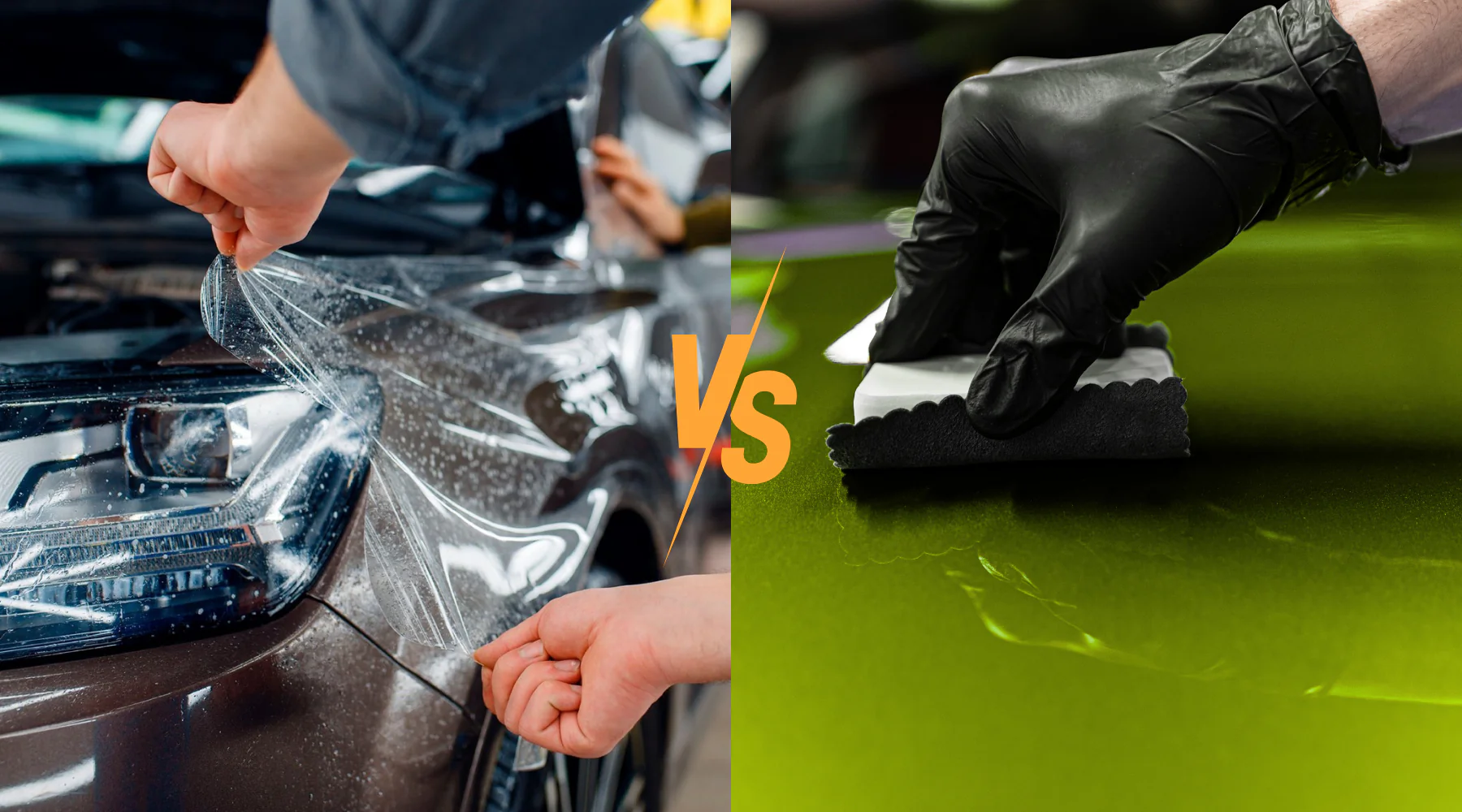

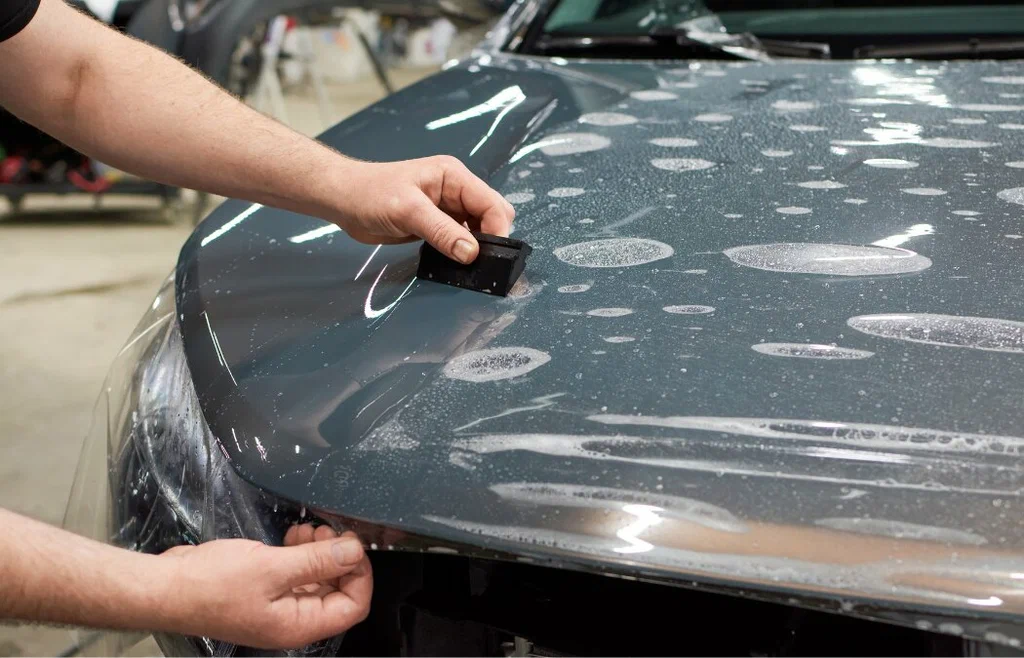
Paint protection film has become one of the most frequently researched automotive services among Edmonton drivers seeking long-term defence against Alberta’s unforgiving road conditions. Full front coverage often ranges from $1,800 to $2,400, while full body packages reach well over $6,000, yet 58% of Edmonton owners report confusion about what each package protects, how pricing actually works, and which films genuinely withstand local winters. Another 37% discover after installation that the coverage they purchased did not include critical impact zones, while 29% report quality issues that appear after the first freeze–thaw cycle.
This guide clarifies how paint protection film truly performs across Alberta’s seasons, exposes common misunderstandings about durability and coverage, explains which packages deliver real value, and outlines how installation quality determines whether film lasts twelve years or begins lifting within twelve months. You’ll learn how film types differ beneath the surface, which panels take the most damage in Edmonton driving, why installer technique varies so dramatically between shops, and how to avoid the most expensive pitfalls.
Table of Contents
- The Problem: Why Paint Protection Film Creates More Questions Than Answers
- What to Consider: Film Type, Coverage, and Installation Reality
- How to Choose: Protection Strategy and Package Decisions
- Edmonton PPF Paint Protection Film Installation Process
- Frequently Asked Questions
The Problem: Why Paint Protection Film Creates More Questions Than Answers
The Cost and Package Clarity Problem
One of the first frustrations Edmonton drivers encounter is the striking difference in pricing for what appears to be the same level of protection. Two shops may both advertise “full front” coverage, but one quote may arrive at $1,900 while another reaches nearly $3,000. Without context, this seems arbitrary. In reality, those variations hide differences in film brands, installation technique, preparation level, and the extent of actual coverage—details many shops fail to explain clearly.
Many owners expect consistency, yet a closer review reveals inconsistencies such as partial hood coverage being labelled as “full front,” edge wrapping being excluded without disclosure, and budget films being used despite premium branding on websites. Some quotes include basic cleaning only, while others include thorough decontamination and paint correction. Because these variations are rarely described upfront, owners often assume identical protection, only to realize after installation that they purchased a lower level of durability than expected.
Edmonton PPF consultations reveal that over half of local drivers believed they were receiving more coverage than their package actually included, especially around edges, lower panels, and bumper contours. This mismatch between expectation and reality contributes significantly to dissatisfaction among first-time PPF buyers.
The Film Quality and Longevity Confusion
Another major point of uncertainty is the assumption that all PPF behaves the same regardless of brand or installation environment. Edmonton’s climate puts exceptional stress on protective films, with long winters, dry road salt, sanded highways, and intense summer sunlight creating a cycle of physical and chemical wear that accelerates failure in lower-grade materials.
Films vary in top-coat thickness, adhesive strength, stain resistance, and clarity. Lower-priced films often discolour faster, develop surface texture changes, or lose clarity after repeated washes. In Edmonton especially, films lacking proper stain resistance begin showing mineral marking from road salt within a single winter. Other films become brittle during prolonged exposure to cold temperatures, causing premature lifting around edges or corners.
Film branding is often used as a selling point, but without explanation of top-coat strength, UV stability, or real-world test results in cold climates, owners may believe they are purchasing premium material when they are not. Longevity expectations become unrealistic, and warranty surprises emerge when early wear is dismissed as “environmental damage.”
The Installation Quality Variability
Even the highest-quality film cannot perform properly if it is applied without careful surface preparation, precise alignment, or proper tension control. Installation remains the determining factor in whether PPF provides long-term protection or begins failing after the first winter.
Edmonton’s climate introduces additional complexity. Temperature swings influence adhesive behaviour, panel cleanliness, and moisture evaporation. Installers working in uncontrolled environments face higher risks of contamination that later appears as bubbles or specks beneath the film. Angular bumper shapes found on trucks and SUVs require pattern modification, not generic templates, to prevent overstretching or visible gaps.
Common installation issues include:
- Edges lifting during freeze–thaw cycles
- Visible stretch marks on corners and bumper recesses
- Film stopping short of panel edges, leaving exposed paint
- Misaligned lines across large panels
- Contamination trapped beneath film due to improper preparation
These issues undermine protection and appearance. Many Edmonton owners later discover that installation standards vary dramatically between shops, making it difficult to identify quality differences until problems appear months later.
The Protection Expectation Gap
Many drivers approach paint protection film with heightened expectations created by marketing claims. While PPF dramatically reduces stone chips, abrasion, and swirl marks, it does not make paint immune to all forms of damage. Alberta highways frequently carry gravel that far exceeds typical test conditions, and construction debris remains a major contributor to severe impacts.
PPF also requires maintenance to preserve clarity and resilience. Without regular washing, road salt and dirt accumulate along edges, eventually affecting adhesion. Bird droppings, sap, and tar can still etch the top coat if left unaddressed. Owners expecting zero maintenance often experience disappointment during the first winter, especially when salt residue creates visible cloudy patches on neglected surfaces.
Understanding these limitations early ensures that owners approach PPF realistically and make coverage decisions that match the actual conditions their vehicle faces.
What to Consider: Film Type, Coverage, and Installation Reality
Understanding PPF Coverage Details
Coverage determines where your vehicle receives actual protection—not all packages offer equal defence, and many drivers misunderstand what each includes. Edmonton roads create unique impact zones due to winter sanding, gravel truck activity, and frequent construction. As a result, coverage decisions must consider these patterns rather than generic package names alone.
Partial Front Coverage
This covers the front bumper, mirrors, and a portion of the hood and fenders. It offers basic defence but leaves a visible line across the hood that quickly collects dirt and remains vulnerable to chips. While cost-effective, it is rarely ideal for long-term ownership in Edmonton.
Full Front Coverage
This extends protection across the full hood and fenders, eliminating the mid-hood line. In Edmonton’s environment, this package significantly reduces the most common damage. It remains the most popular choice among daily drivers.
High-Impact Coverage
This adds rocker panels, lower doors, rear fender flares, A-pillars, and roof edge—areas that take heavy punishment from gravel and winter road debris. Trucks, SUVs, and commuters who frequently travel Anthony Henday Drive or Highway 2 benefit notably from this added protection.
Full Body Coverage
This protects all painted surfaces. It offers maximum long-term preservation for high-value vehicles, collectors, or owners who plan to keep their vehicle through multiple winter seasons without repainting.
Understanding coverage ensures owners protect the panels that matter most for Edmonton’s climate.
Film Type and Finish Realities
PPF variations influence visual appearance, longevity, and resistance to environmental factors. Alberta’s weather magnifies these differences dramatically.
Gloss Clear Film
Maintains factory shine and remains the most widely used option. When high-quality gloss films are installed properly, they remain clear for years despite UV exposure.
Satin Clear Film
Creates a muted appearance without changing colour. While visually attractive, satin can highlight water spotting more readily and requires mindful maintenance.
Coloured PPF
Available but limited due to supply constraints and high material cost. Lead times may exceed several weeks, and installers often require a full-roll pre-purchase. These films provide both styling and protection but are less commonly stocked in Edmonton.
Climate contributes to finish behaviour: winter cold stiffens film, summer heat exposes imperfections, and salt increases staining risk—factors that installers must discuss upfront to prevent misunderstandings.
Installation Process Expectations
Paint protection film installation is a technical craft requiring controlled conditions, extensive preparation, and precise execution. Edmonton’s climate makes proper environment control essential.
Day 1: Surface Preparation
Vehicles are decontaminated using iron removers, clay, degreasers, and inspection lighting. Without this step, debris becomes permanently trapped beneath film.
Day 2–3: Application
Panels are installed methodically with controlled moisture, proper tension, and adjusted patterns. Complex bumpers may require additional time to ensure proper adhesion.
Day 4: Refinement
Edges are inspected, trimmed, and sealed. Moisture pockets are addressed. Alignment across panels is verified under various lighting conditions.
Day 5: Final Inspection
Anything that impacts long-term performance—edges, corners, seams, clarity—is addressed before delivery.
Rushing this timeline compromises longevity.
Upgrade Options and Long-Term Costs
PPF can be tailored to address risk zones or improve appearance:
- Rocker coverage prevents abrasion from gravel and winter salt
- Rear bumper protection reduces scuffing from loading cargo
- A-pillars and roof edges guard against highway debris
- Headlight film reduces pitting over time
Long-term cost planning matters because film removal and replacement years later can be more expensive than selecting broader coverage upfront. Edmonton PPF frequently advises customers to protect lower panels early, as these areas accumulate the most wear during winter.
How to Choose: Protection Strategy and Package Decisions
Timing Your Installation
Some owners prefer immediate installation to protect fresh paint. Others wait to determine whether PPF is worthwhile long-term. However, once paint is chipped or marked, film cannot conceal the damage.
Waiting too long can also create the need for paint correction or refinishing, which complicates warranty conditions. Installing before winter or before significant highway use offers the best protection window.
Colour and Finish Selection Strategy
Choosing between gloss and satin finishes involves both visual preference and practical maintenance considerations. Gloss remains the easiest to maintain through Edmonton winters. Satin looks striking but requires consistent washing to prevent visible salt buildup.
Coloured PPF serves both style and protection but carries higher cost and limited availability. Edmonton PPF communicates these considerations clearly to help owners avoid surprises.
Protection Priority Evaluation
Drivers should evaluate their daily routes, winter habits, and long-term ownership plans. Commuters who rely on Highway 2 face heavy gravel impact. Truck owners experience abrasive spray along rocker panels. Downtown drivers encounter tight parking and door dings.
Selecting coverage that matches real driving conditions prevents costly repainting later.
Installer Selection Criteria
Choosing a skilled installer ensures long-term results. Key factors include:
- Experience with your vehicle type
- Climate-controlled installation space
- Pattern modification expertise
- Willingness to explain material differences and coverage details
- Clear warranty documentation
Edmonton PPF encourages customers to review completed installations and observe facility conditions, ensuring confidence before booking.
Long-Term Value Planning
PPF preserves resale value, especially when paired with maintenance and periodic inspections. Keeping documentation, before-and-after photos, and clarity records helps future buyers understand paint condition.
Over ownership, film reduces repainting costs, maintains gloss, and protects against winter abrasion—advantages that outweigh upfront cost when chosen strategically.
Edmonton PPF Paint Protection Film Installation Process
Consultation and Planning
Edmonton PPF begins each project with a detailed review of driving habits, paint condition, climate considerations, and specific risk areas. Customers receive visual coverage diagrams, film samples, and clear explanations of durability expectations.
Quality Installation Standards
All installations occur in controlled indoor environments. Preparation includes decontamination, surface inspection, and correction of minor defects. Patterns are digitally cut and refined for accurate alignment, while edges are wrapped when panel design allows.
Upgrade Integration Services
Edmonton PPF coordinates PPF with coatings, tinting, and other services to ensure compatibility. Customers can choose staged installations or combined packages depending on budget and long-term goals.
Post-Installation Support
After installation, owners receive washing guidelines, curing instructions, and ongoing support. Follow-up inspections address early concerns and help maintain film longevity across multiple seasons.
Frequently Asked Questions
Is PPF worth it in Edmonton?
Yes. Edmonton’s roads are heavily sanded and gravelled in winter, leading to faster paint wear compared to many other cities. PPF prevents chips, scratches, and staining caused by these conditions.
How long does PPF last in Alberta?
Most high-grade films installed professionally last eight to twelve years, depending on maintenance, sun exposure, and driving frequency.
Does PPF require special care?
Basic care is straightforward: gentle handwashing, avoiding abrasive brushes, and using pH-balanced soaps. Winter maintenance involves rinsing off salt whenever possible.
Can PPF be applied to a used vehicle?
Yes, as long as the paint is in good condition. Paint correction may be required to remove swirls or oxidation before film can be installed.
Can PPF be removed later?
Yes. When removed properly using controlled heat, PPF separates from the paint without damage. This process should be handled by a trained installer to avoid pulling off clear coat.